19 May 2026
Scottish Building Warrants vs English Building Regulations: Which System Sets Your Self-Build Up for Success?
By Hayden Martin, Owner, Fleming Homes
Whether you’re planning to build in the Highlands or in the Home Counties, you’ll need to navigate a regulatory process before a single sod is turned. In Scotland, that’s the Building Warrant. In England and Wales, it’s known as Building Regulations – or simply “Building Regs”.
If you’re early in your self-build journey, the differences between these two systems can feel like another layer of complexity to wrap your head around. But understanding them now gives you something powerful: the confidence to plan well, choose well, and build well.
So let’s walk through it together.
Two systems, two philosophies
The fundamental difference is timing.
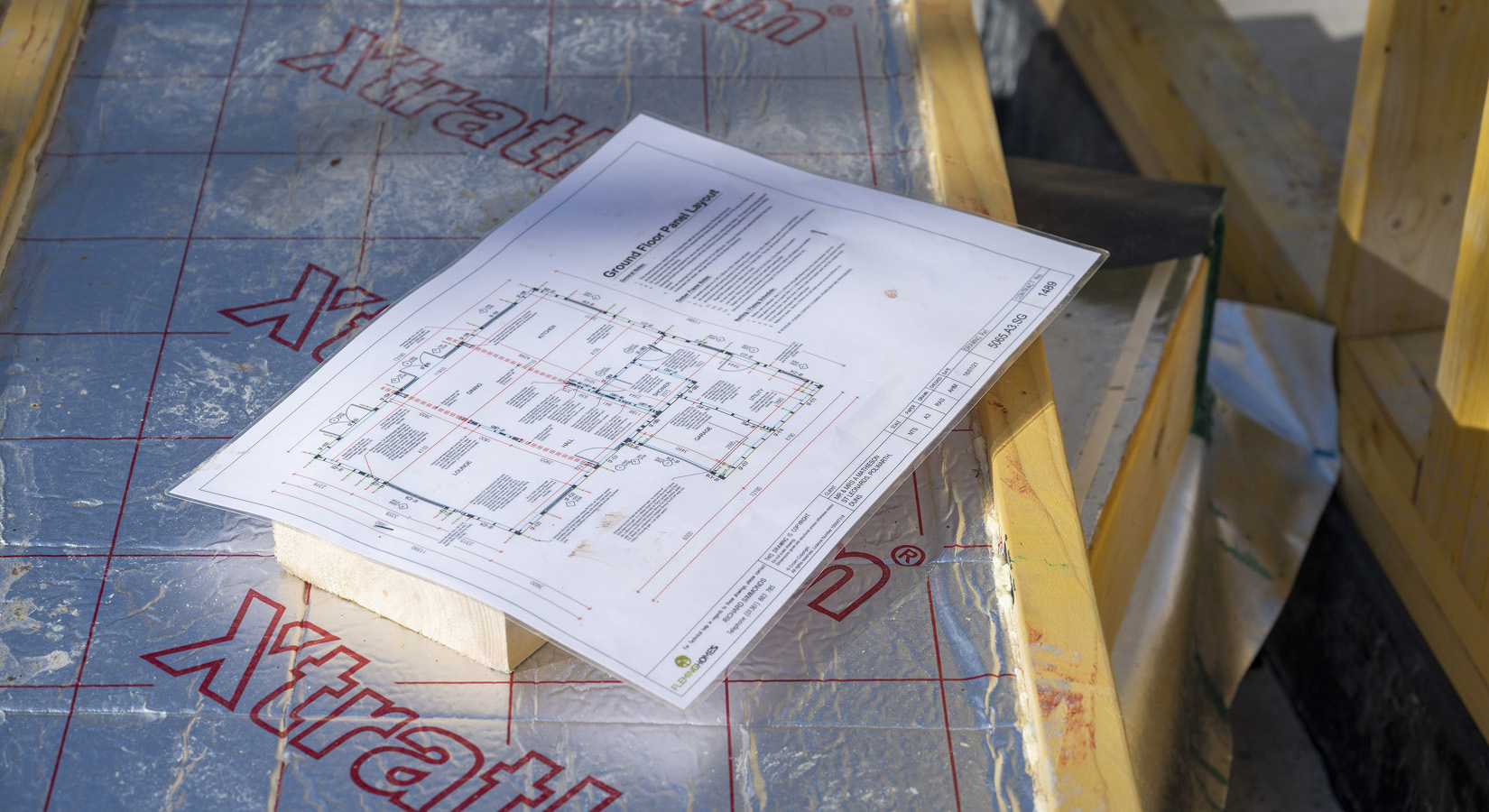
In Scotland, you cannot legally start building until your local authority has approved a complete, stamped set of Building Warrant drawings. Every detail must be demonstrated on paper, and signed off, before you break ground.
In England and Wales, there is more flexibility. Approval can be granted either by the local authority or by a Registered Building Control Approver, and you have two routes:
Full Plans Submission
Broadly similar to the Scottish approach. You submit detailed drawings and typically wait for approval before starting work.
Building Notice
A faster route that allows you to start on site before the design is fully resolved, with compliance assessed progressively as construction proceeds.
So far, so straightforward. But the question worth asking is this: which approach better serves you as the person building the home?
Speed is tempting. Clarity is better.
The Building Notice route is often the quickest way to get diggers on site. For some contractors, that’s appealing – there’s a sense of momentum, of progress.
But speed at the start can come at a cost.
Beginning before the design is fully developed means key decisions get made on site, often under pressure, and without the benefit of a coordinated plan. That can lead to rework, delays, and unexpected costs further down the line – exactly the kind of surprises you don’t want when you’re funding your own home.
The Scottish Building Warrant system asks more of you upfront. There’s more design work, more coordination, more scrutiny before anyone picks up a tool. It can feel slower at the start.
What it gives you in return is a calm, fully-considered plan – and the freedom to focus on enjoying the build, rather than firefighting your way through it.
Why the Scottish approach suits self-builders so well
Here’s what the Building Warrant process gives you in practice:
One clear plan, shared by everyone on site
Most self-builds involve multiple trades. With a comprehensive, approved set of working drawings, every contractor is reading from the same script. Expectations are clear. Surprises are rare. Coordination becomes dramatically easier – and you sleep better for it.
Problems solved before they cost you money
Modern regulations cover structure, energy performance, fire safety, ventilation and more. Resolving these on paper, before construction, means any conflicts are sorted while they’re still cheap to fix. Discovering them mid-build is a far more expensive lesson.
A natural fit for the speed of timber frame

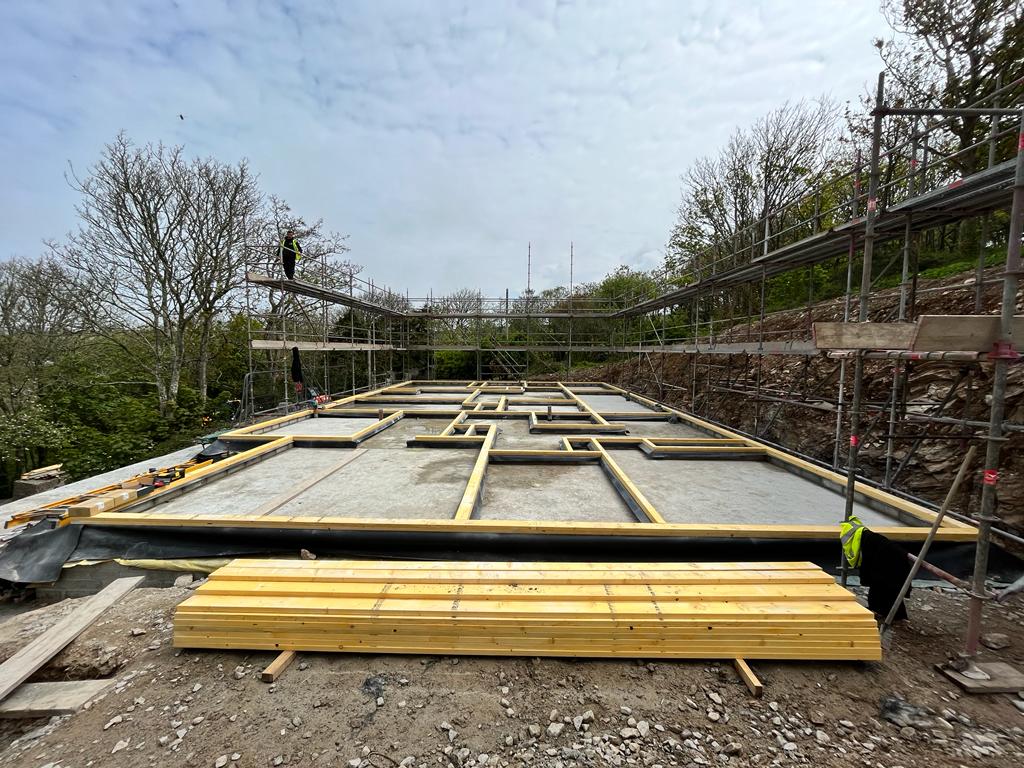
Timber frame is fast – a four-bedroom home can be wind and watertight in around two weeks. To take full advantage of that pace, decisions need to be made early. The Warrant process supports exactly that kind of front-loaded thinking, so the speed of construction works for you, not against you.
Smoother flow once you’re on site
Because most decisions are settled in advance, your build progresses with fewer pauses for sign-off and fewer interruptions while inspectors review work in progress. You feel the difference week by week.
A higher standard, baked in
The level of detail demanded by the Scottish system sets a strong foundation for durability and long-term performance. For anyone building a forever home, that matters.
Getting your ducks in a row
We often talk to self-builders about the importance of getting your ducks in a row before you start – particularly with timber frame, where the speed of construction rewards good preparation.
The Scottish Building Warrant system is, by design, a methodical process. It encourages thorough planning, detailed design, and early problem-solving. Yes, it asks more of you at the outset. But it sets your project up to flow.
Which is why, even when we’re delivering homes under the English Building Regulations system, we apply the same level of rigour and detail that the Scottish Warrant process demands. Whichever side of the border you’re building on, the more clarity you have before you break ground, the smoother – and more joyful – the build itself.
You don’t have to navigate this on your own
The regulatory process is one of the steepest parts of the self-build learning curve. The good news is, you don’t have to climb it on your own.
We act as your agent through both Building Warrant and Building Regulations applications. We handle the council conversations, manage the paperwork, and translate the technical detail into something that actually makes sense for you. It’s part of how we support self-builders from a first sketch on the back of an envelope to a stamped, approved set of drawings you can build from with confidence.
“If you’re at the early stages and want to talk it through with someone who has guided hundreds of self-builders down the same path – we’d love to hear from you.” — Hayden
FAQ
Is a Scottish Building Warrant the same as English Building Regulations?
No. They are two separate regulatory systems. The Scottish Building Warrant must be fully approved before construction begins. English Building Regulations approval can be obtained either before construction (via Full Plans Submission) or progressively during construction (via Building Notice).
Can I start building in Scotland without a Building Warrant?
No. It is illegal to begin construction in Scotland without a stamped, approved Building Warrant issued by your local authority.
What’s the difference between Full Plans Submission and Building Notice in England?
Full Plans Submission means submitting detailed drawings for approval before work begins. Building Notice is a more flexible route that allows construction to start before the design is fully resolved, with compliance checked progressively on site.
Which system is better for a self-builder?
For most self-builders – particularly first-time builders or anyone building a long-term home – the Scottish Building Warrant approach offers more certainty. Resolving design and compliance issues before construction reduces the risk of costly changes during the build. The same principle can be applied voluntarily under the English Full Plans Submission route.
Is timber frame construction better suited to Building Warrants or Building Regulations?
Timber frame works particularly well with the Building Warrant approach because it is a fast construction method. Front-loading design decisions allows the speed of timber frame to be fully realised on site, with fewer pauses for clarification.
Who can approve Building Regulations in England?
In England and Wales, Building Regulations can be approved either by the local authority or by a Registered Building Control Approver (formerly known as an approved inspector).
How long does a Scottish Building Warrant take to be approved?
Timescales vary by local authority and the complexity of the project, but most domestic Building Warrants take between six and twelve weeks from submission to approval, assuming the application is complete and compliant on submission.